Why Underdogs Often Pull Off Upsets in the Bundesliga
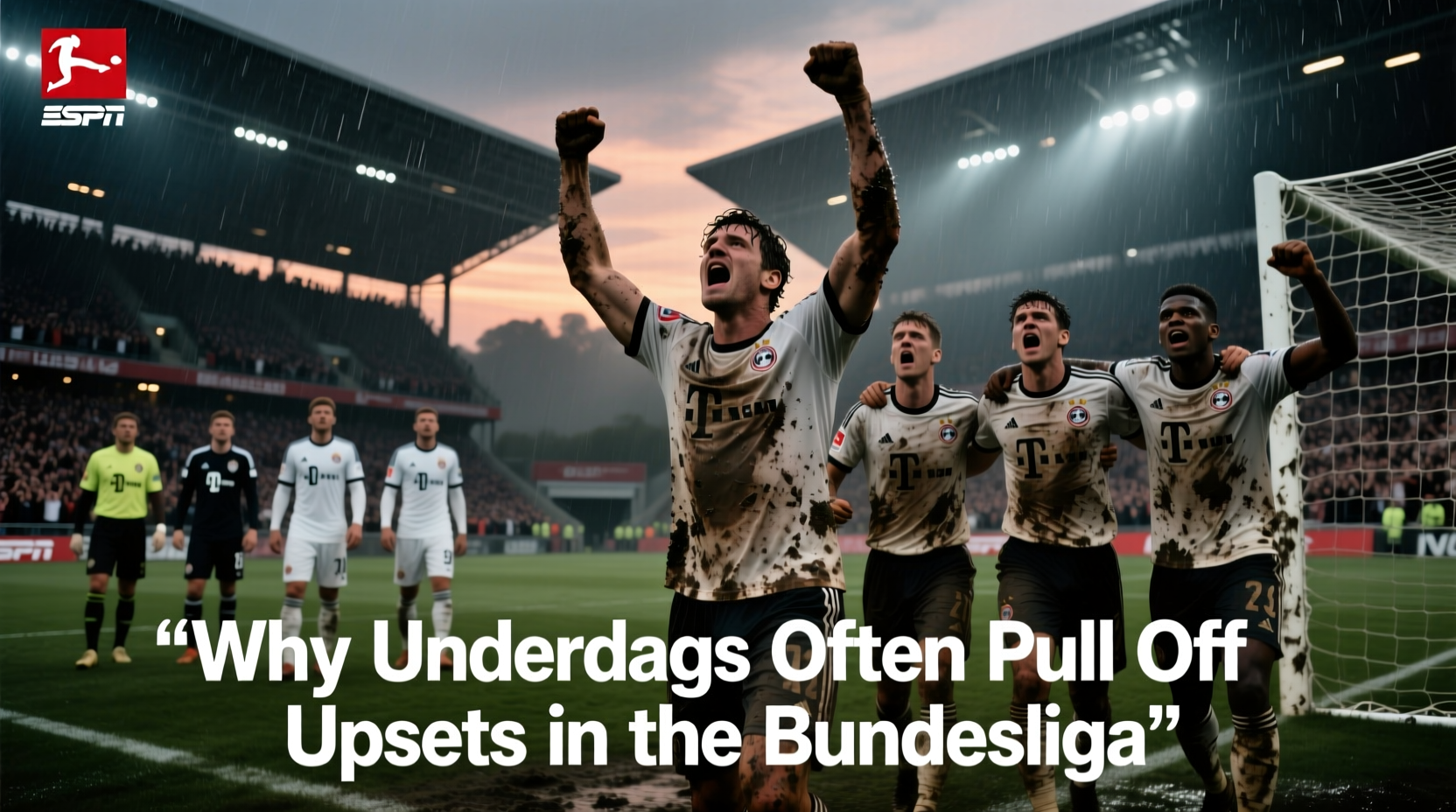
The Bundesliga is widely regarded as one of Europe’s most entertaining football leagues, and part of that appeal lies in its unpredictability. While giants like Bayern Munich and Borussia Dortmund dominate headlines, it’s not uncommon to see smaller clubs like Heidenheim, Augsburg, or Bochum overturn the odds and defeat top-tier teams.
But what makes Bundesliga underdog upsets more frequent than in many other leagues? In this article, we explore the factors behind this unique pattern—and what it means for bettors looking to gain an edge.
Tactical Fluidity and Open Styles of Play
One of the hallmarks of the Bundesliga is its commitment to attacking football. Even small teams rarely sit back for 90 minutes. Managers across the division emphasize pressing, quick transitions, and wing play.
How This Benefits Underdogs
- Top teams are often exposed defensively during counterattacks
- Smaller clubs exploit space with vertical balls and set pieces
- Tactical bravery leads to more open matches, where luck and moments matter
Because of this openness, underdogs have a greater chance of landing punches—especially at home.
Youth Development Creates Quality Across the Table
German football places strong emphasis on academy systems. This results in a high standard of player development, even at smaller clubs.
Effects on Competition
- Mid- and lower-tier teams often field young, energetic lineups
- These players are fearless and adaptable, making them ideal for pressing systems
- Top teams can’t always rely on experience to coast through matches
The talent gap in the Bundesliga is narrower than it appears on paper, which increases upset potential.
High Motivation and Home Advantage
Home stadiums in Germany are known for their passionate crowds. Even smaller clubs boast dedicated fanbases that create intense atmospheres.
Key Factors at Play
- Underdogs often raise performance levels at home
- Visiting top teams can struggle with pitch conditions and crowd pressure
- Motivation is high, especially in matches against famous clubs
In many cases, home-field advantage neutralizes the gulf in quality, particularly when underdogs press high early in the match.
Rotations and Fixture Congestion Impact Bigger Clubs
Bundesliga teams involved in European competitions often rotate their lineups before or after Champions League or Europa League games.
How This Creates Openings
- Weaker starting XIs for big teams
- Fatigue and reduced sharpness
- Smaller teams can field their best lineups with a full week of rest
This disparity creates opportunities for underdogs to catch top sides underprepared or physically drained.
Bookmaker Bias and Market Perception
The betting market often overprices top-tier clubs based on reputation, not current form. This creates distorted odds and value on the other side.
How Bettors Can Respond
- Look for inflated handicap lines on underdogs
- Identify favorites with declining xG metrics despite winning results
- Bet live when momentum clearly favors the smaller side
If more football commentary or structured wagering features interest you, แทงบอล delivers consistent information and enjoyable sports options.
Tactical Discipline and Set Piece Mastery
Small Bundesliga teams often compensate for technical gaps with structure and set-piece efficiency. Clubs like Mainz or Augsburg frequently score from corners and free kicks.
The Set Piece Edge
- High focus on dead-ball routines in training
- Physical defenders and target men used effectively
- Top clubs vulnerable when defending zonally or rotating backlines
This makes underdogs dangerous in low-chance matches where one moment can shift the result.
In-Game Mentality and Pressure on Favorites
Top clubs in Germany often feel pressure to play expansive football regardless of circumstances. This can lead to forced attacks and defensive vulnerability.
Psychological Aspects
- Underdogs play freely with “nothing to lose”
- Favorites carry the burden of expectations
- Fans and media criticize narrow wins, forcing risk-taking behavior
This mental dynamic creates an environment where smaller teams can thrive on chaos and take advantage of sloppy play.
Examples of Frequent Giant-Killers
SC Freiburg
Consistently well-coached, Freiburg often surprises top-half teams, especially at home. They press intelligently and take risks with possession.
FC Augsburg
Defensive but deadly on the counter, Augsburg regularly frustrates clubs with higher budgets by staying compact and striking late.
VfL Bochum
Aggressive pressing and direct play make Bochum a difficult opponent when underestimated, particularly in front of home support.
What This Means for Bettors
Understanding the frequent nature of Bundesliga underdog upsets allows smart bettors to:
- Avoid blindly backing favorites at low odds
- Use Asian handicaps or Double Chance markets on strong underdogs
- Time live bets when top clubs fail to assert dominance early
The key is to read momentum, consider team news, and focus on situational value rather than reputation.
Final Thoughts: Don’t Underestimate the “Small” Teams
In the Bundesliga, there’s no such thing as an easy fixture. Structural balance, tactical evolution, and psychological dynamics give underdogs real chances to defy expectations. While top teams remain dominant over the course of a season, match-to-match variance is high—and that’s where opportunity lies for bettors who understand the patterns.
Backed by data, preparation, and discipline, betting on Bundesliga underdog upsets isn’t about guessing—it’s about knowing when the playing field is more level than the odds suggest.
About The Author
